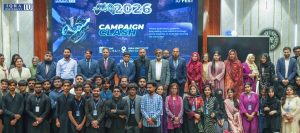
Iqra University Business School reaffirmed its position as a leading platform for intellectual discourse and policy dialogue by hosting the Pre-Budget Seminar: Economic Outlook & Policy Direction 2026–27 on May 20, 2026. The seminar brought together some of Pakistan’s most prominent economic leaders and policymakers to discuss the fiscal challenges, economic realities, and policy priorities shaping the country’s future.
At a time when Pakistan continues to navigate inflationary pressures, global economic uncertainties, supply chain disruptions, and growing fiscal constraints, the seminar provided a timely forum for informed discussion on the nation’s economic outlook and the reforms required to achieve sustainable growth.
Distinguished Panel of Economic Leaders
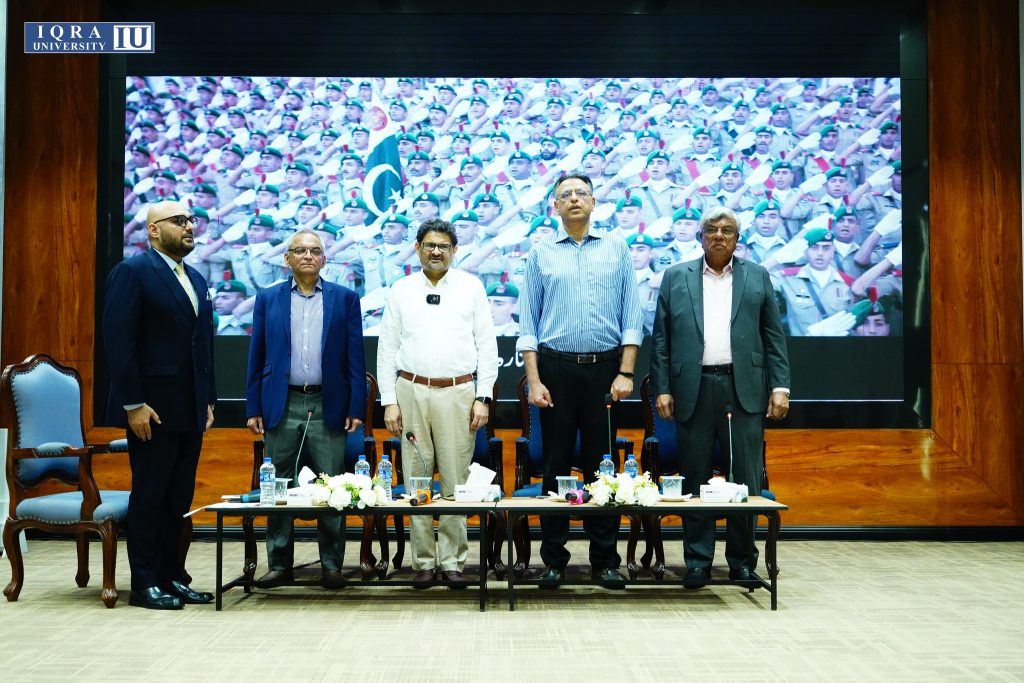
The seminar featured an esteemed panel of speakers, including:
Mr. Arif Habib – Founder & CEO, Arif Habib Group
Dr. Miftah Ismail – Former Federal Finance Minister
Mr. Asad Umar – Former Federal Finance Minister
Mr. Asad Ali Shah – Former Finance Minister, Sindh
Drawing on their extensive experience in public policy, finance, and economic management, the panelists shared valuable insights into Pakistan’s current economic landscape and the challenges facing policymakers ahead of the national budget.
Addressing Pakistan’s Economic Challenges
Throughout the discussion, the speakers provided a candid assessment of Pakistan’s fiscal realities while expressing cautious optimism about the country’s long-term economic potential. Key issues highlighted included debt sustainability, weak export performance, governance challenges, and structural inefficiencies that continue to hinder economic progress.
The panelists emphasized that despite these challenges, Pakistan possesses significant resources, human capital, and policy potential that can support long-term economic development if accompanied by consistent and well-executed reforms.
The Need for Long-Term Economic Planning
A central theme of the seminar was the importance of institutional commitment to long-term economic planning and policy continuity. The speakers stressed the need for democratic and institutional mechanisms that can protect critical economic decisions from short-term political considerations.
Discussions focused on several key reform areas, including:
Strengthening fiscal discipline
Rationalizing public expenditure
Privatizing inefficient state-owned enterprises
Enhancing governance and accountability
Undertaking broader institutional reforms
The panel agreed that while such measures may be politically challenging, they address the root causes of Pakistan’s recurring economic crises and offer a more sustainable path toward economic stability and growth than temporary stabilization efforts.
Academia’s Role in National Development
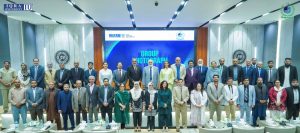
The seminar concluded with closing remarks by Dr. Nassar Ikram, Vice Chancellor of Iqra University, who highlighted the critical role academic institutions play in fostering constructive national dialogue and informed policymaking. He reaffirmed the University’s commitment to contributing meaningfully to Pakistan’s development agenda through research, engagement, and intellectual leadership.
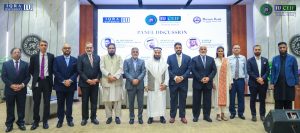
As a token of appreciation, shields were presented to the distinguished guests by Dr. Nassar Ikram and Dr. Muhammad Azam, Dean, Faculty of Business Administration, in recognition of their valuable contributions to the seminar.
Through initiatives such as the Pre-Budget Seminar: Economic Outlook & Policy Direction 2026–27, Iqra University continues to provide a platform for meaningful discussions on issues of national importance, connecting academia, industry, and policymakers in pursuit of a stronger and more prosperous Pakistan.