
Meet the Visionaries Behind IU
Discover the leaders and educators shaping the future of education and inspiring generations at Iqra University.
- IU ORIC
- ORIC Team
- Performance Highlights
- Ethical Review Board
- Strategic Plan
- Steering Committee
- Steering Committee Members
- 1st Steering Committee Meeting
- 2nd Steering Committee Meeting
- 3rd Steering Committee Meeting
- 4th Steering Committee Meeting
- 5th Steering Committee Meeting
- 6th Steering Committee Meeting
- 7th Steering Committee Meeting
- 8th Steering Committee Meeting
- 9th Steering Committee Meeting
- 10th Steering Committee Meeting
- 11th Steering Committee Meeting
- 12th Steering Committee Meeting
- Training and Workshops
- Research and Development
- Ignite
- Intellectual Property Rights
- Labs
- Industrial Linkage
- Linkage with Saman e Shifa
- Faculty Industry Placement Program 1.0
- Faculty Industry Placement Program 2.0
- Faculty Industry Placement Program 3.0
- Faculty Industry Placement Program 4.0
- IU ORIC Collaborates with Zee.sy Jewellery for Industry-Academia Case Study Initiative
- IU ORIC Engages with Dawa Healthcare to Explore Strategic Case Study Collaboration
- Bridging Technology and Wellness: IU ORIC and EZ Shifa Join Forces for a Healthier Future
- Memorandum of Understanding between IQRA University ORIC and ARE Ventures
- Visit to E-commerce Success Pakistan: Exploring Opportunities in E-commerce Automation
- Industrial Visit to Sui Southern Gas Company Limited: A Step Toward Strategic Collaboration
- Visit to EZ Shifa-Health Tech: Building Collaboration in Digital Health Solutions
- Industrial Linkage Meeting: Exploring Synergies Between Iqra University and Telemart
- IU ORIC’s Proactive Industry Engagement for Faculty Development
- Research Directory
- Research Cluster
RESEARCH CLUSTER
Advancing Sustainable Development at IU
IQRA University’s Research Cluster highlights innovative projects that contribute to the United Nations Sustainable Development Goals (SDGs) and align with the UI GreenMetric framework. These projects reflect the university’s commitment to knowledge driven solutions that address global challenges through research, innovation, and community engagement. Each project within this cluster demonstrates IU’s active role in promoting sustainability, improving quality of life, and encouraging collaboration between academia, industry, and society.
1. Smart Infrastructure and Innovation for Sustainable Development
Category: Settings and Infrastructure
IU Project Name:
- Generating architectural designs respecting local building authority constraints.
- Smart Farming: An approach towards the development of efficient and effective urban (Hydroponic) cultivation Test Bed using Smart Technologies.
- AR Vision Craft
- Gas Leakage and Prevention System
- IoT-based Floor Cleaner
- Rob Medic-Arm by Voice Control
- Scan and Go
- Smart Appliance and Control System
- Smart Fridge
- Smart Helmet for Construction Workers
- TRIPPING PRO.AI
Relevant SDGs: 9, 11, 12, and 13
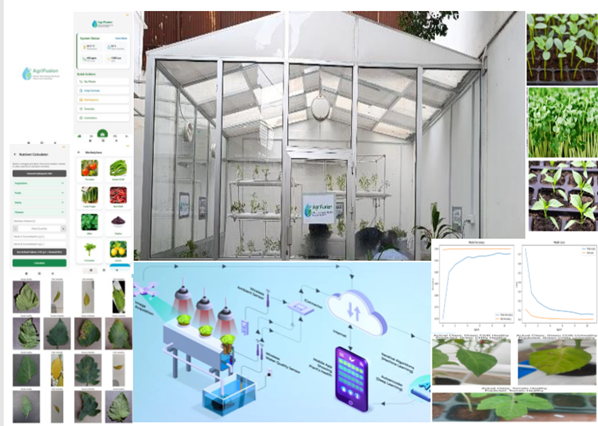
Smart Farming An approach towards the development of efficient and effective urban (Hydroponic) cultivation Test Bed using Smart Technologies
Principal Investigator: Dr. Mansoor Ebrahim
Description:
This project, “Smart Farming” An Approach Towards the Development of Efficient and Effective Urban (Hydroponic) Cultivation Test Bed using Smart Technologies” (Project No. 15282), was funded under the Higher Education Commission’s (HEC) National Research Program for Universities (NRPU). It addresses one of Pakistan’s most pressing challenges i.e. ensuring food security under conditions of water scarcity, shrinking cultivable land, rapid urbanization, and climate change.
According to the Pakistan Council of Research in Water Resources (PCRWR), the country loses over 60% of its irrigation water due to inefficiencies, while agriculture consumes nearly 90% of total freshwater resources [1]. If the current trajectory continues, the World Bank projects a food shortage of 70 million tons by 2025 [2]. Against this backdrop, hydroponics offers a transformative solution enabling cultivation without soil, conserving up to 90% of water, and allowing urban farmers to grow crops in limited spaces such as rooftops, greenhouses, and vertical farms.
This research work tends to help government initiatives to increase and improve agriculture growth, ensure food security, increase productivity, and to cater to a wide variety of nutrition and organic products (vegetable/fruits) at the low cost and provide people business opportunities by applying Urban farming techniques (Hydroponics) incorporated with smart technologies. The research project will not only aid urban farming, but also will change the concept of traditional farming.
The project’s primary aim is to design, implement, and validate a smart hydroponic farming test bed by integrating:
- Hydroponic infrastructure (Deep-Water Culture and Nutrient Film Technique).
- IoT sensors for real-time monitoring of environmental and nutrient variables.
- Computer vision & AI models for plant health diagnosis and predictive crop management
A mobile application Dashboard for monitoring, alerts, and farmer-to-consumer (B2C) marketplace integration.
The key outcomes of this research includes immune to weather/climate change, Save water, improve environment, supports government initiative of green Pakistan, reduce human effort i.e. no need to go on field to observe and monitor the plants, plant health monitoring (quality) that help to observe the growth of plant, its appearance, color, shape, size, duration etc., which in return yield better quality products, increased market reach that will overcome the issue related to farmer direct market reach and will certainly increase their business and profit. This multi-disciplinary approach brings together computer science, agriculture, and engineering to create a scalable framework that directly contributes to sustainable food production in Pakistan.
AR Vision Craft
Supervisor: Ms. Sabeeh Ahmed
Description
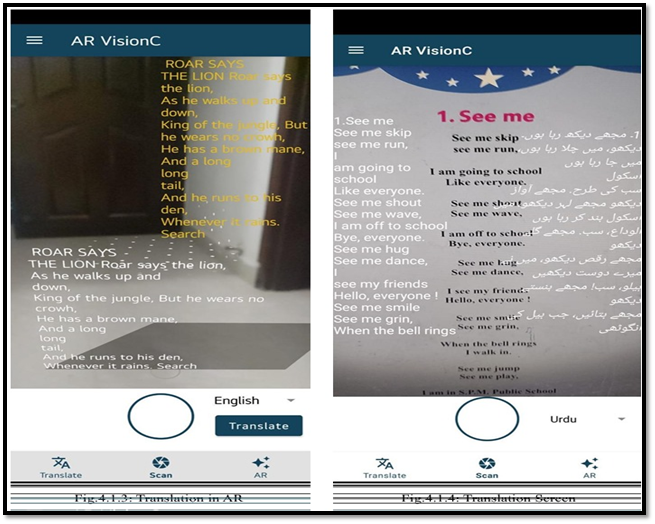
AR Vision Craft is an innovative augmented reality application designed to enhance user interaction with printed text across multiple languages and real-world scenarios. The system seamlessly integrates Optical Character Recognition (OCR) with advanced AI-driven processing, accurate translation techniques, and interactive visualizations. Through this blend of technologies, the application effectively removes language barriers, enriches contextual understanding, and improves user comprehension of printed content.
The platform features a user-friendly interface, offline processing capabilities, and robust cross-platform compatibility, making it highly beneficial for travelers, educators, language learners, and professionals. Users gain access to a high-quality translation engine coupled with augmented reality overlays that merge virtual information with the physical environment, offering an immersive learning and reading experience.
Additionally, AR Vision Craft incorporates continuous feedback mechanisms to promote interactive engagement and personalized user learning. By addressing key challenges such as language obstacles, contextual misinterpretation, and inconsistent device experiences, AR Vision Craft aims to transform global communication and redefine how individuals interact with printed information in their everyday environment.
Gas Leakage and Prevention System
Supervisor: Engr. Javeria Barkat
Description
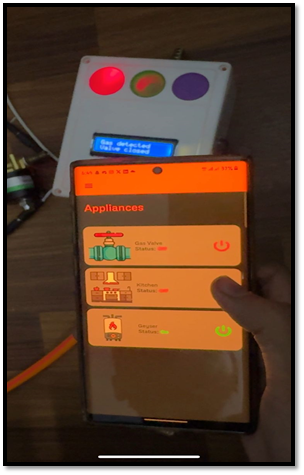
The aim of the project is to improve safety and prevent risks associated with gas leaks by implementing a gas detection and alerting system equipped with blockage capability. The primary objective is to enhance safety by quickly identifying gas leaks and notifying users, thereby providing an additional layer of protection for homes and businesses. Through its early warning system, the project enables users to take timely and effective action to reduce hazards and prevent accidents before they escalate. The system also focuses on preventing injury by actively stopping further gas leakage, which reduces potential harm to both people and property. Furthermore, user convenience is ensured by integrating the system with a mobile application that delivers instant notifications, allowing users to respond promptly even when they are not at home or near the gas source. Overall, the project aims to offer a comprehensive solution that detects gas leaks efficiently and empowers users to act swiftly to safeguard lives, property, and public safety.
IoT-based Floor Cleaner
Supervisor: Engr. Javeria Barkat
Description
An IoT-based cleaner with cleaning scheduling is an intelligent, automated cleaning system designed to perform cleaning tasks efficiently while allowing users to schedule, monitor, and control it remotely through Internet-connected devices. Equipped with rotating brushes, suction mechanisms, sensors, and optional mopping features, the cleaner navigates autonomously using ultrasonic or infrared sensors to detect obstacles and ensure smooth movement. Through Wi-Fi or Bluetooth connectivity, the device communicates with a cloud platform where users can view real-time data such as cleaning status, dust levels, battery health, and maintenance alerts. A key feature of the system is its scheduling capability, which enables users to set daily or weekly cleaning times, allowing the cleaner to automatically activate, perform the task, and return to its charging dock without manual involvement. The mobile app also allows users to start or stop the device, track its movement, change cleaning modes, and receive notifications about completed activities or errors. With smart navigation, obstacle avoidance, self-charging, safety features, and maintenance monitoring, the IoT-based cleaner provides a fully automated, convenient, and efficient cleaning solution suitable for homes, offices, and other environments requiring consistent hygiene and minimal human effort.
Rob Medic-Arm by Voice Control
Supervisor: Engr. Azfar Ghani
Description
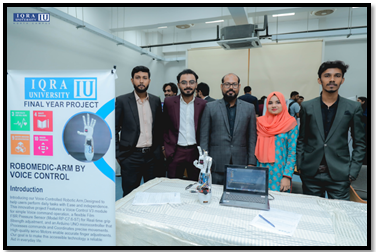
The proposed project aims to design and develop a sophisticated robotic hand that can be controlled using voice commands, with precise motion control provided by servo motors. This innovative robotic system will find applications in various fields, including healthcare, manufacturing, and assistive technology. Imagine the simplicity and magic of instructing a robotic arm with just your voice – no buttons, no complicated controls. This project uses state-of-the-art parts like voice recognition modules, microcontrollers to combine software creativity and hardware know-how. Our goal is to develop a simple and effective way to control the complex movements of a robotic arm by utilizing voice commands.
The result is a user-friendly and engaging experience, where individuals can command the robotic arm with ease, opening up possibilities for a wide range of applications. Whether it’s for educational purposes, creative projects, or simply for the joy of exploring the potential of automation, the Voice-Controlled Robotic Arm brings a touch of magic to the world of robotics.
Scan and Go
Supervisor: Mr. Faraz Abdul Basit
Description
The Scan & Go project is a modern grocery shopping solution designed to make shopping easier, faster, and more secure. The main idea is to use a smartphone app and advanced technology to improve the traditional shopping experience. With the Scan & Go app, shoppers can scan items as they pick them up, get real-time updates on prices and availability, and pay directly through their phones, all without having to wait in line at a checkout counter. The system integrates with in-store technology, including RFID tags and barcodes, to streamline the checkout process. When an item is scanned, the app allows you to add that product and then automatically updates the virtual cart and prepares for secure payment. If an item is removed from the store without being properly scanned and paid for, the system’s security features detect this and alert the store guard, ensuring that theft is prevented and inventory is managed accurately. By leveraging advanced mobile technology and effective security measures, the Scan & Go project aims to simplify the shopping process, reduce wait times, and enhance the overall shopping experience. This approach not only improves convenience for shoppers but also increases operational efficiency for retailers.
Smart Appliance and Control System
Supervisor: Engr. Javeria Barkat
Description:
A Smart Appliance Control System is an intelligent home automation solution designed to remotely monitor and manage household appliances using IoT technology. The system connects devices such as lights, fans, air conditioners, refrigerators, and security appliances to a central controller through Wi-Fi or Bluetooth, allowing users to operate them from a mobile application or voice-controlled assistant. Sensors embedded in the system collect real-time data on temperature, energy usage, and appliance status, enabling automated decision-making such as turning off unused devices, adjusting settings for energy efficiency, or activating appliances based on user preferences or schedules. Through cloud connectivity, users can receive instant notifications, track power consumption, and ensure safety by detecting faults or unusual appliance behavior. This smart and user-friendly system enhances convenience, improves energy management, increases home safety, and provides a seamless modern living experience with minimal human intervention.
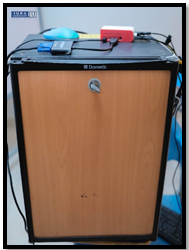
Smart Fridge
Engr. Javeria Barkat
Description
The project titled “Smart Fridge” represents a cutting-edge innovation in the realm of household appliances by integrating Internet of Things (IoT) technology and real-time communication capabilities into traditional refrigerators. The primary objectives of this project are to enhance user convenience, a healthy food, reduce wastage of food, and address food management challenges through the implementation of intelligent features. These features include remote temperature control, real-time inventory tracking, and an interactive messaging interface via a dedicated mobile application. The methodology involves a systematic approach, encompassing a thorough literature review, system architecture design, hardware and software selection, and rigorous testing and evaluation. The key findings demonstrate the successful development of a fully functional prototype, showcasing the seamless integration of IoT, real-time communication, and advanced inventory tracking. The user-friendly mobile application and the implementation of energy-efficient features contribute to an enhanced kitchen experience. Overall, the project not only aligns with the growing trend of IoT integration but also serves as a testament to the transformative potential of modern technologies in everyday household appliances.
Smart Helmet for Construction Workers
Supervisor: Engr. Javeria Barkat
Description
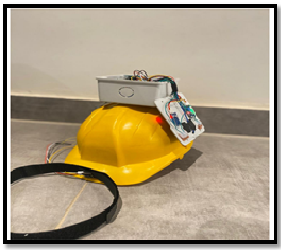
The development of the Smart Helmet focuses on integrating advanced sensor technologies and communication modules into a lightweight design that remains compatible with standard construction helmets, ensuring comfort and usability for workers. The system incorporates multiple sensors—including a gyroscope, accelerometer, humidity sensor, force resistor, GPS module, heart rate sensor (MAX30102), and gas sensor—to monitor essential parameters such as falls, humidity, physical exertion, location, and the presence of hazardous gases. To support real-time data transmission and emergency alerts, the helmet utilizes communication channels like ESP32 Wi-Fi connectivity, paired with custom firmware designed to deliver instant notifications to supervisors and emergency responders during critical situations. A robust real-time monitoring and alert system is implemented to continuously track worker safety and environmental conditions, with an integrated mobile application providing immediate access to live data for proactive intervention. Additionally, a user-friendly interface is created for workers, featuring clear visual and feedback mechanisms to ensure quick understanding of hazards, particularly in high-pressure construction environments. Comprehensive testing and optimization are conducted to verify the reliability of all components and enhance cost-effectiveness by balancing performance with affordability.
TRIPPING PRO.AI
Supervisor: Mr. Syed Arsalan Haider
Description:
Travel planning, which should be an enjoyable experience, often becomes a stressful and time-consuming process due to fragmented information and multiple booking platforms. TRIPPING PROAI is an intelligent mobile application designed to simplify this process by providing an all-in-one travel planning solution powered by Artificial Intelligence. The app integrates trusted travel services such as SkyScanner and Booking.com to offer users the best options for flights, accommodations, car rentals, and activities within their budget and preferences. Unlike traditional travel apps, TRIPPING PRO AI focuses on personalization by analyzing user data to create tailored itineraries for individuals, groups, and businesses. It features real-time group collaboration, transparent booking management, and affiliate-based revenue generation. By combining AI-driven personalization, automation, and integration with multiple travel service providers, TRIPPING PRO AI redefines travel planning, making it effortless, efficient, and user-centric.
2. Clean Energy Transitions and Climate Resilience
Category: Energy and Climate Change
IU Project Name:
- Generating architectural designs respecting local building authority constraints.
- EV charger
- E-bike
Relevant SDGs: 7, 9, 11, and 13
Description of EV Charger:
IoT-Based Smart EV Charging System
Principal Investigator: Dr. M. Irfan Anis
Description:
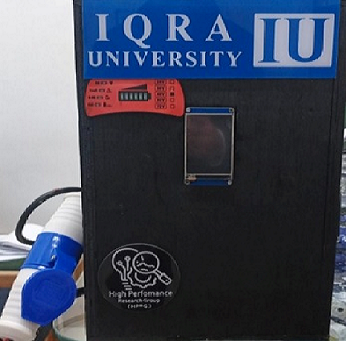
The IoT-based Smart EV Charger is an intelligent solution for safely and efficiently charging electric bikes (AC fast charging) and cars (DC fast charging) using a stable 72V power supply. It provides smart control, remote monitoring, and transparent billing for users and business owners.
When an EV is connected — via XT60/Anderson plugs for bikes or CCS2/GB/T connectors for cars — the embedded system automatically detects battery specifications and begins controlled charging. Real-time monitoring of voltage, current, temperature, and battery health ensures safety and efficiency.
An integrated IoT module sends live data to a mobile app and web dashboard, showing:
- Battery level, charging time, voltage/current readings
- Energy consumed and cost in PKR
- Notifications for full charge or faults
- Remote start/stop control
- Daily/weekly/monthly reports for usage, cost, and revenue
Built-in safety features include overcurrent, overload, and overtemperature protection with automatic cut-off. LED indicators display the system status.
This system offers a complete smart charging solution — ensuring safety, cost control, efficiency, and real-time visibility — ideal for EV stations, parking areas, and residential or personal use.
Description of E-Bike:
Principal Investigator: Dr. Sheeraz Mohani
Description:
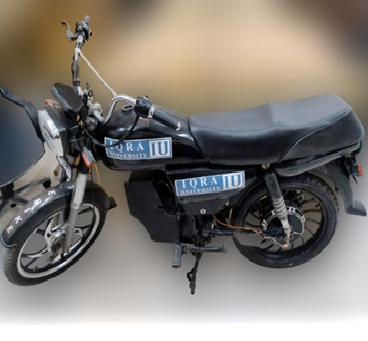
The current global demand for green transport systems and especially in major cities such as New York calls for a new mode of mobility. The described invention addresses the demanding global need for environmentally friendly transportation solutions, particularly in densely populated area like Karachi. This product is dedicated to developing an e-bike tailored to Pakistan’s unique socio economic and environmental context. Beginning with the comprehensive analysis of Karachi’s current transportation landscape, including risks and benefit associated with e-bikes, the project progressed to the design phase. Here careful consideration was given to selecting components such as powerful electric motor, lithium battery pack, and efficient load mechanism, all tailored to local conditions and consumer preference. A prototype was methodically constructed, meeting industry safety standards and undergoing extensive testing to assess performance metrics including speed, range and charging capabilities. The product also delved into merging smart functions like connectivity alternatives and energy-saving apparatus in order to improve the general customer satisfaction. Control Mechanism of the E-bike typically located on the handlebars, the e-bike throttle can take various forms, including twist grip, thumb operated, or lever-style designs. Regardless of the specific design, the throttle functions as a variable resistor or potentiometer, regulating the flow of electrical current to the motor, speed adjustment will be done by activating the throttle, the rider can increase or decrease the speed of the e-bike motor, the throttle is a control mechanism that enables the rider to adjust the speed of the electric motor by modulating the power delivered to it. These advancements position the e-bike as a compelling alternative to traditional internal combustion Engine motorcycles, offering greener and more efficient mode of transport for the future.
3. Sustainable Water Systems and Ecosystem Conservation
Category: Water
IU Project Name:
- Smart Farming: An approach towards the development of efficient and effective urban (Hydroponic) cultivation Test Bed using Smart Technologies”
Relevant SDGs: 9, 11, 12, and 13
Smart Farming An approach towards the development of efficient and effective urban (Hydroponic) cultivation Test Bed using Smart Technologies
Principal Investigator: Dr. Mansoor Ebrahim
Description:
This project, “Smart Farming” An Approach Towards the Development of Efficient and Effective Urban (Hydroponic) Cultivation Test Bed using Smart Technologies” (Project No. 15282), was funded under the Higher Education Commission’s (HEC) National Research Program for Universities (NRPU). It addresses one of Pakistan’s most pressing challenges i.e. ensuring food security under conditions of water scarcity, shrinking cultivable land, rapid urbanization, and climate change.
According to the Pakistan Council of Research in Water Resources (PCRWR), the country loses over 60% of its irrigation water due to inefficiencies, while agriculture consumes nearly 90% of total freshwater resources [1]. If the current trajectory continues, the World Bank projects a food shortage of 70 million tons by 2025 [2]. Against this backdrop, hydroponics offers a transformative solution enabling cultivation without soil, conserving up to 90% of water, and allowing urban farmers to grow crops in limited spaces such as rooftops, greenhouses, and vertical farms.
This research work tends to help government initiatives to increase and improve agriculture growth, ensure food security, increase productivity, and to cater to a wide variety of nutrition and organic products (vegetable/fruits) at the low cost and provide people business opportunities by applying Urban farming techniques (Hydroponics) incorporated with smart technologies. The research project will not only aid urban farming, but also will change the concept of traditional farming.
The project’s primary aim is to design, implement, and validate a smart hydroponic farming test bed by integrating:
- Hydroponic infrastructure (Deep-Water Culture and Nutrient Film Technique).
- IoT sensors for real-time monitoring of environmental and nutrient variables.
- Computer vision & AI models for plant health diagnosis and predictive crop management
A mobile application Dashboard for monitoring, alerts, and farmer-to-consumer (B2C) marketplace integration.
The key outcomes of this research includes immune to weather/climate change, Save water, improve environment, supports government initiative of green Pakistan, reduce human effort i.e. no need to go on field to observe and monitor the plants, plant health monitoring (quality) that help to observe the growth of plant, its appearance, color, shape, size, duration etc., which in return yield better quality products, increased market reach that will overcome the issue related to farmer direct market reach and will certainly increase their business and profit. This multi-disciplinary approach brings together computer science, agriculture, and engineering to create a scalable framework that directly contributes to sustainable food production in Pakistan.
4. Inclusive and Sustainable Mobility Systems
Category: Transportation
IU Project Name:
- E-bike
- EV charger
- Intelli-Helmet using Machine Learning
Relevant SDGs: 7, 9, 11, and 13
Description of EV Charger:
IoT-Based Smart EV Charging System
Principal Investigator: Dr. M. Irfan Anis
Description:
The IoT-based Smart EV Charger is an intelligent solution for safely and efficiently charging electric bikes (AC fast charging) and cars (DC fast charging) using a stable 72V power supply. It provides smart control, remote monitoring, and transparent billing for users and business owners.
When an EV is connected — via XT60/Anderson plugs for bikes or CCS2/GB/T connectors for cars — the embedded system automatically detects battery specifications and begins controlled charging. Real-time monitoring of voltage, current, temperature, and battery health ensures safety and efficiency.
An integrated IoT module sends live data to a mobile app and web dashboard, showing:
- Battery level, charging time, voltage/current readings
- Energy consumed and cost in PKR
- Notifications for full charge or faults
- Remote start/stop control
- Daily/weekly/monthly reports for usage, cost, and revenue
Built-in safety features include overcurrent, overload, and overtemperature protection with automatic cut-off. LED indicators display the system status.
This system offers a complete smart charging solution — ensuring safety, cost control, efficiency, and real-time visibility — ideal for EV stations, parking areas, and residential or personal use.
Description of E-Bike:
Principal Investigator: Dr. Sheeraz Mohani
Description:
The current global demand for green transport systems and especially in major cities such as New York calls for a new mode of mobility. The described invention addresses the demanding global need for environmentally friendly transportation solutions, particularly in densely populated area like Karachi. This product is dedicated to developing an e-bike tailored to Pakistan’s unique socio economic and environmental context. Beginning with the comprehensive analysis of Karachi’s current transportation landscape, including risks and benefit associated with e-bikes, the project progressed to the design phase. Here careful consideration was given to selecting components such as powerful electric motor, lithium battery pack, and efficient load mechanism, all tailored to local conditions and consumer preference. A prototype was methodically constructed, meeting industry safety standards and undergoing extensive testing to assess performance metrics including speed, range and charging capabilities. The product also delved into merging smart functions like connectivity alternatives and energy-saving apparatus in order to improve the general customer satisfaction. Control Mechanism of the E-bike typically located on the handlebars, the e-bike throttle can take various forms, including twist grip, thumb operated, or lever-style designs. Regardless of the specific design, the throttle functions as a variable resistor or potentiometer, regulating the flow of electrical current to the motor, speed adjustment will be done by activating the throttle, the rider can increase or decrease the speed of the e-bike motor, the throttle is a control mechanism that enables the rider to adjust the speed of the electric motor by modulating the power delivered to it. These advancements position the e-bike as a compelling alternative to traditional internal combustion Engine motorcycles, offering greener and more efficient mode of transport for the future.
Intelli-Helmet using Machine Learning
Supervisor: Mr. Faraz Abdul Basit
Description
In our country, there’s a big problem with accidents involving motorcyclists. A major reason for this is that many riders aren’t following traffic rules. As the population increases, so does the number of accidents, especially affecting motorcyclists who aren’t taking important safety precautions, like wearing helmets. This worrying trend leads to serious injuries and even loss of life. To address this urgent issue, we propose using a high-tech surveillance system. This system would use advanced technology like computer vision, which includes image processing, machine learning, and the latest YOLOv4 technology. The surveillance system would use face recognition to identify the rider’s head and check if they’re wearing a helmet. Project aims to enhance road safety by using cameras and machine learning to monitor a person’s speed in real-time. If someone exceeds the speed limit set by our system, whether in traffic or different road conditions, the system will automatically send a notification to their family. The message will inform the family that their loved one has gone over the speed limit at a specific location. Additionally, the family can view the situation through a live camera feature in the application. This way, we hope to prevent accidents and keep everyone safer on the roads.
5. Empowering Education, Research, and Social Equity
Category: Education and Research
IU Project Name:
- 𝐓𝐞𝐚𝐜𝐡𝐢𝐧𝐠 𝐚𝐭 𝐭𝐡𝐞 𝐑𝐢𝐠𝐡𝐭 𝐋𝐞𝐯𝐞𝐥 (𝐓𝐚𝐑𝐋) – 𝐑𝐞𝐬𝐞𝐚𝐫𝐜𝐡𝐢𝐧𝐠 𝐭𝐡𝐞 𝐏𝐫𝐨𝐜𝐞𝐬𝐬 𝐨𝐟 𝐒𝐜𝐚𝐥𝐢𝐧𝐠 𝐢𝐧 𝐒𝐢𝐧𝐝𝐡
- Burns Rehabilitation: A multidisciplinary program for burns management, treatment, and prevention in low-income countries
- Glovo Sign: Gesture Glove-Based Communication System for Deaf and Mute Communities
- Identification of Novel Inhibitors of Tryptophan 2,3-Dioxygenase and Indoleamine 2,3-Dioxygenase for Mental Health and Liver Function Improvement
- Proctor Eye: AI-Driven Examination Monitoring and Academic Integrity System
- Smart Pick (Compare, Choose, Conquer Deals!)
- Voice-Enable Resource Access for Library
Relevant SDGs: 3, 4, 9,10, and 17
Burns Rehabilitation: A multidisciplinary program for burns management, treatment, and prevention in low-income countries
Collaborator: Prof. Dr. Shehla Naeem Zafar
Description:
The NIHR203082 Burns Rehabilitation Award has played a transformative role in supporting Pakistan’s progress toward achieving the Sustainable Development Goals (SDGs), particularly those related to health, education, reducing inequalities, and strengthening institutions. This multifaceted project addresses some of the most pressing national challenges by improving burn care, enhancing rehabilitation services, empowering communities, and promoting evidence-based policy reforms. The development, piloting, and refinement of a culturally tailored rehabilitation program directly improve access to quality care for burn survivors, an underserved and often neglected population. By confirming the intervention’s feasibility, acceptability, and cultural appropriateness, the project ensures that survivors receive standardized, effective, and dignified rehabilitation services. The full-scale effectiveness trial involving over 1,000 participants positions Pakistan as a regional leader in generating high-quality clinical and cost-effectiveness evidence for rehabilitation interventions. Additionally, the establishment and sustainability of the National Burns Registry of Pakistan (NBR-P) provide real-time data to guide prevention, acute care, and rehabilitation, enabling informed decision-making at clinical, institutional, and policy levels, further advancing SDG 3.8 on universal health coverage.
The project also contributes to strengthening Pakistan’s health and research workforce. Through training over 900 professionals in critical areas such as research methods, academic writing, systematic reviews, CBT, motivational interviewing, EMDR, REDCap, and ethics, the initiative enhances national research literacy and clinical competency. These capacity-building efforts ensure a more skilled, knowledgeable, and future-ready health workforce capable of sustaining quality burns rehabilitation and contributing to broader health system improvements.
By expanding rehabilitation access, improving follow-up systems, and promoting community-level prevention, the project actively works to reduce structural and health inequities. The integration of rehabilitation services into the Sindh IAPT-PK programme ensures care for vulnerable populations across a province of five million, demonstrating a scalable model that can be applied to other regions.
The awareness and prevention campaigns, including Burns Awareness Week, school-based sessions, Photo voice exhibitions, and the upcoming national social media campaign, align to create safer environments, promote community resilience, and counter stigma and discrimination faced by burn survivors.
Glovo Sign: Gesture Glove-Based Communication System for Deaf and Mute Communities
Supervisor: Ms. Sidra Rehman
Description
GlovoSign is a gesture glove-based communication system designed to bridge the communication gap for deaf and mute individuals. The glove is equipped with flex, gyroscope, and accelerometer sensors that capture complex hand movements corresponding to sign language. Machine learning algorithms process these gestures into text, which is then converted into speech.
A web-based interface provides real-time communication through virtual rooms, enabling speech-to-text conversion for seamless interaction between hearing and hearing-impaired users. The system promotes inclusivity, reduces social isolation, and expands access to education and employment opportunities by enabling effective communication.

Identification of Novel Inhibitors of Tryptophan 2,3-Dioxygenase and Indoleamine 2,3-Dioxygenase for Mental Health and Liver Function Improvement
Principal Investigator: Dr. Shazia Dawood
Description:
This project focuses on identifying novel inhibitors of two key enzymes in tryptophan metabolism: Tryptophan 2,3-dioxygenase (TDO) and Indoleamine 2,3-dioxygenase (IDO). These enzymes play critical roles in regulating serotonin production, immune modulation, oxidative stress pathways, and neuroinflammation. Dysregulation of the kynurenine pathway is strongly associated with depression, anxiety, chronic inflammation, liver dysfunction, and stress-related disorders.
The research combines molecular docking, computational modeling, and experimental validation to discover new molecules—both synthetic and herbal—that can safely inhibit TDO/IDO. The project includes collaborations with internationally recognized scientists, enhancing Pakistan’s global academic visibility and contributing to international scientific networks (SDG 17).
The experimental component studies the effects of antidepressants, alcohol exposure, NSAIDs, and herbal medicines on serum and liver TDO activity, and their influence on brain serotonin levels in stressed versus unstressed rat models. This provides insight into safer therapeutic alternatives for mental health conditions. The project also explores the mechanism by which herbal compounds modulate neurochemical pathways, supporting affordable and culturally acceptable healthcare solutions in Pakistan (SDG 3).
Additionally, the project has strong educational impact. Students are trained in HPLC, spectrophotometry, fluorimetry, enzyme assays, docking software (MVD), and standard research ethics. Their participation strengthens research capacity in Pakistan.
Proctor Eye: AI-Driven Examination Monitoring and Academic Integrity System
Supervisor: Ms. Sidra Rehman
Description
ProctorEye is an AI-based system designed to enhance academic integrity during examinations. The platform integrates live streaming, facial recognition, and AI analytics to monitor students in real time, verify identities, and track attendance automatically.
The system detects suspicious behaviors such as looking away or using unauthorized materials, generating alerts with detailed timestamps and evidence for invigilators. This minimizes the need for physical supervision, reduces costs, and ensures a fair and transparent examination process.
By leveraging advanced technologies, ProctorEye provides a scalable, efficient, and accurate solution for educational institutions, improving exam monitoring and maintaining high standards of academic integrity.
Smart Pick (Compare, Choose, Conquer Deals!)
Supervisor: Ms. Sidra Rehman
Description
The Smart Electronics Price Comparison Platform is designed to help users compare and purchase electronic products online efficiently. Users can input product details, such as mobile phone models, and receive real-time price comparisons from multiple online retailers. This empowers consumers to make informed decisions and save time.
The platform features customizable search filters (price, brand, features), personalized accounts for tracking prices and alerts, and direct links to retailers for smooth purchasing. Its intuitive, user-friendly interface ensures a seamless experience, while future AI integration may predict price trends for smarter decisions.
Developed with modern web technologies and robust database systems, the platform offers a scalable, secure, and intelligent e-commerce experience, simplifying online shopping for all users.

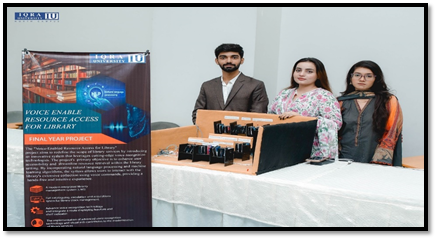
Voice-Enable Resource Access for Library
Supervisor: Ms. Sabeeh Ahmed
Description
In an era defined by rapid technological advancements, the integration of voice-enabled technologies has emerged as a transformative force, reshaping the way individuals interact with and access information. This is a pioneering project titled “Voice-Enabled Resource Access for Library”, which aims to revolutionize the traditional library experience through an innovative approach to resource retrieval and navigation. The project methodology encompasses extensive research into natural language processing (NLP) algorithms and database management systems, alongside the development of a user-friendly interface designed for seamless integration with existing library infrastructure. To evaluate the system’s effectiveness, comprehensive testing and user feedback collection will be conducted, focusing on performance metrics, accuracy, and user satisfaction. As society progresses further into the digital age, this project represents a forward-looking step toward innovative, inclusive, and efficient information access solutions.
6. Community Engagement
Category: Health and Well-being
IU Project Name:
- Burns Rehabilitation: A multidisciplinary program for burns management, treatment, and prevention in low-income countries
- Estimating the prevalence of anxiety, depression, and their associated risk factors among students of public and private sector institutions of Pakistan.
- Identification of Novel Inhibitors of Tryptophan 2,3-Dioxygenase and Indoleamine 2,3-Dioxygenase for Mental Health and Liver Function Improvement
- Intelli-Helmet using Machine Learning
- Live Fit AI
- Posture Precision Chair
- Rob Medic-Arm by Voice Control
- Smart Fridge
- Smart Helmet for Construction Workers
- Tele Healthcare System for Real-Time Monitoring
- To Support the Edible Oil Producers in the Reduction of Industrially Produced Trans Fatty Acids from Edible Oil in Pakistan. (In Collaboration with Nutrition International & Department of Food Science and Technology, University of Karachi)
Relevant SDGs: 3, 4, 10, and 17
Burns Rehabilitation: A multidisciplinary program for burns management, treatment, and prevention in low-income countries
Collaborator: Prof. Dr. Shehla Naeem Zafar
Description:
The NIHR203082 Burns Rehabilitation Award has played a transformative role in supporting Pakistan’s progress toward achieving the Sustainable Development Goals (SDGs), particularly those related to health, education, reducing inequalities, and strengthening institutions. This multifaceted project addresses some of the most pressing national challenges by improving burn care, enhancing rehabilitation services, empowering communities, and promoting evidence-based policy reforms. The development, piloting, and refinement of a culturally tailored rehabilitation program directly improve access to quality care for burn survivors, an underserved and often neglected population. By confirming the intervention’s feasibility, acceptability, and cultural appropriateness, the project ensures that survivors receive standardized, effective, and dignified rehabilitation services. The full-scale effectiveness trial involving over 1,000 participants positions Pakistan as a regional leader in generating high-quality clinical and cost-effectiveness evidence for rehabilitation interventions. Additionally, the establishment and sustainability of the National Burns Registry of Pakistan (NBR-P) provide real-time data to guide prevention, acute care, and rehabilitation, enabling informed decision-making at clinical, institutional, and policy levels, further advancing SDG 3.8 on universal health coverage.
The project also contributes to strengthening Pakistan’s health and research workforce. Through training over 900 professionals in critical areas such as research methods, academic writing, systematic reviews, CBT, motivational interviewing, EMDR, REDCap, and ethics, the initiative enhances national research literacy and clinical competency. These capacity-building efforts ensure a more skilled, knowledgeable, and future-ready health workforce capable of sustaining quality burns rehabilitation and contributing to broader health system improvements.
By expanding rehabilitation access, improving follow-up systems, and promoting community-level prevention, the project actively works to reduce structural and health inequities. The integration of rehabilitation services into the Sindh IAPT-PK programme ensures care for vulnerable populations across a province of five million, demonstrating a scalable model that can be applied to other regions.
The awareness and prevention campaigns, including Burns Awareness Week, school-based sessions, Photo voice exhibitions, and the upcoming national social media campaign, align to create safer environments, promote community resilience, and counter stigma and discrimination faced by burn survivors.
To estimate the prevalence of anxiety, depression, and their associated risk factors among students of public and private sector institutions of Pakistan"
Principal Investigator: Engr. Ikram-e-Khuda
Co-Principal Investigator: Engr. Azeem Aftab
Description:
Pakistan is a 3rd world developing country. Here, people suffer a lot of problems related to their day-to-day lives and also related to their future paradigms. The socio-economic life of the country is not so friendly to ease the living of a common man here. Among different socio-economic factors, education is a leading factor of stress among students in particular and children in general. Stress during education can lead to mental distress and have a negative impact on cognitive functioning and learning. Hence, there is a need to quantify anxiety, depression, and their associated factors among students for their counseling and rehabilitation. Anxiety and stress result in a disorder that can deteriorate a student’s integrative progress socially, emotionally, and cognitively. If not measured, they can lead to undesirable, prolonged effects of depressive disorders.
Anxiety is an outcome variable for the stimulus of stress. It is a natural response of the body under the state of stress indicated by the feeling of fear. When the feelings of anxiety are not disappearing but rather becoming stronger with the course of time, then this leads to a medical problem, namely anxiety disorder. Difference between anxiety and its disorder is that, in the latter case the feeling of fear starts interfering with everyday life, glooms the personality and can lead to other psychological issues, like panic disorders, phobia and/ or physical issues which may be as simple as for example dryness of mouth, sweatiness, restlessness, dizziness, irregular or rapid breathing or complicated as increased heart rates, losing coordination between brain and the actions performed, loss of concentration, insomnia etc. Environmental factors, brain chemistry, and genetics have their own share in building anxiety
Being in a state of anxiety is basically an emotional feeling; hence, there is no direct measure of it. However, literature study shows that instruments like survey questionnaires, observing the personal interactions and dispositions, and measuring physical symptoms (e.g., heartbeats, pulse rates, muscular contractions, etc.) can be used as significant methods of measures so that treatment can be provided if needed.
The purpose of this study is to estimate the prevalence of anxiety, depression, and their associated risk factors among students of public and private sector schools, colleges, and universities in the four states of Pakistan.
Hence, we propose to develop a novel and formal procedure to compute anxiety that can be applied clinically and at institutional level.
Measuring anxiety is a very complex problem; on one hand, there are quantifiable metrics to verify the state of anxiety, e.g. heart heartbeats, muscular contractions, pulse rates, etc., and on the other hand, there are qualitative properties to deal with. Taking inspiration from the tremendous advancements in the field of statistics and AI, we want to develop a hybrid learning approach using both quantitative and qualitative metrics.
In order to measure anxiety, there could be two scenarios: a situation that automatically exists to measure it, i.e., the correlational research, or creating a situation to measure it, i.e., the experimental research. It is not possible to always have naturally existing anxiety situations. Therefore, we propose to use the second method by developing a feasible experimental setup so that anxiety can be measured, predicted, and later on classified.
Our hypothesis is to use the idea of “mood induction” to measure the reactions of different body reactions as a direct measure of anxiety.
Our target is to not only come up with theoretical results, but also practical solutions for the clinical and health sciences. That is why we will be working in collaboration with medical doctors.
They will help us in understanding practical considerations, as well as verifying the effectiveness and efficiency of our solution. As they are the end-users who understand the human body systems, their feedback will be vital to the success of our research.
Identification of Novel Inhibitors of Tryptophan 2,3-Dioxygenase and Indoleamine 2,3-Dioxygenase for Mental Health and Liver Function Improvement
Principal Investigator:
Dr. Shazia Dawood
Description:
This project focuses on identifying novel inhibitors of two key enzymes in tryptophan metabolism: Tryptophan 2,3-dioxygenase (TDO) and Indoleamine 2,3-dioxygenase (IDO). These enzymes play critical roles in regulating serotonin production, immune modulation, oxidative stress pathways, and neuroinflammation. Dysregulation of the kynurenine pathway is strongly associated with depression, anxiety, chronic inflammation, liver dysfunction, and stress-related disorders.
The research combines molecular docking, computational modeling, and experimental validation to discover new molecules—both synthetic and herbal—that can safely inhibit TDO/IDO. The project includes collaborations with internationally recognized scientists, enhancing Pakistan’s global academic visibility and contributing to international scientific networks (SDG 17).
The experimental component studies the effects of antidepressants, alcohol exposure, NSAIDs, and herbal medicines on serum and liver TDO activity, and their influence on brain serotonin levels in stressed versus unstressed rat models. This provides insight into safer therapeutic alternatives for mental health conditions. The project also explores the mechanism by which herbal compounds modulate neurochemical pathways, supporting affordable and culturally acceptable healthcare solutions in Pakistan (SDG 3).
Additionally, the project has strong educational impact. Students are trained in HPLC, spectrophotometry, fluorimetry, enzyme assays, docking software (MVD), and standard research ethics. Their participation strengthens research capacity in Pakistan.
Intelli-Helmet using Machine Learning
Supervisor: Mr. Faraz Abdul Basit
Description
In our country, there’s a big problem with accidents involving motorcyclists. A major reason for this is that many riders aren’t following traffic rules. As the population increases, so does the number of accidents, especially affecting motorcyclists who aren’t taking important safety precautions, like wearing helmets. This worrying trend leads to serious injuries and even loss of life. To address this urgent issue, we propose using a high-tech surveillance system. This system would use advanced technology like computer vision, which includes image processing, machine learning, and the latest YOLOv4 technology. The surveillance system would use face recognition to identify the rider’s head and check if they’re wearing a helmet. Project’s aim is to enhance road safety by using cameras and machine learning to monitor a person’s speed in real-time. If someone exceeds the speed limit set by our system, whether in traffic or different road conditions, the system will automatically send a notification to their family. The message will inform the family that their loved one has gone over the speed limit at a specific location. Additionally, the family can view the situation through a live camera feature in the application. This way, we hope to prevent accidents and keep everyone safer on the roads.
Live Fit AI
Supervisor: Engr. Azfar Ghani, Engr. Syed Rizwan
Description
Exercise is perceived by people as a fundamental need of health maintenance and disease prevention and enhancement of well-being. Exercise is equally important and many individuals perform exercises in a wrong manner by assuming incorrect positions that lead to avoidable injuries that damage their muscles and joints and ligaments. These injuries interfere with fitness progress and also reduce the likelihood of people sticking to the exercise regime. Personal trainers can reduce the risks but their services are inaccessible to the majority. Online workout videos and mobile applications offered by the digital fitness resources give standardized instructions but they do not have the feature to give real-time personalized corrections that users will require to train safely and effectively.
The LiveFit AI solution is the proposed solution that will help resolve this issue by employing artificial intelligence and MediaPipe technology and computer vision capabilities on a smartphone application. The system tracks movement of the body of the users through their phone camera and real time monitoring is directly given through audio and visual feedback on poor postures and to monitor the body position of the users. The feature allows users to make instant form corrections when doing the workout which helps avoid injuries along with the ability to generate better workout outputs. The app educates four fundamental strength training activities such as push-ups and squats, bicep curls and deadlifts that allow the user to perform the exercise correctly without having to spend a lot of money on professional training.
Posture Precision Chair
Supervisor: Ms. Faiza Javaid
Description
Posture Correction Chair is a concept to build an innovative and comfortable chair that provides and promotes the best ‘posture healthy’ seating arrangements. This concept has come out of the rising need to counter posture-related problems and diseases. The sitting working professionals were the target group for this project. Prolonged sitting in the same position not only causes health problems such as back pain, joint pain, and reduced circulation but also leads to improper posture effects such as slouching and slumping. A self-adjustable posture correction chair prototype was developed with in-built infrared proximity sensors and ultrasonic proximity sensors to measure the distance of various demarcated parts of the body from various positions of the chair. The sensors placed at the armrest region, along with the additional alarm-based reminder, will indicate the incorrect posture. The smart chair also aims at correcting the posture from the shoulder level by connecting a proximity sensor at the shoulder level. In a nutshell, the height, armrest, and shoulder level are the primary factors considered for the development of the prototype.’
It will pique the curiosity of everyone who works at a desk or in a position that requires more time in front of a computer screen, whether they are a CEO or a clerk. There are currently no alternatives to the Posture Correction Chair that provide measures for sitting posture. The majority of chairs on the market are designed to address specific problems and do not give an “all-in-one” solution to address posture disorders.
Rob Medic-Arm by Voice Control
Supervisor: Engr. Azfar Ghani
Description
The proposed project aims to design and develop a sophisticated robotic hand that can be controlled using voice commands, with precise motion control provided by servo motors. This innovative robotic system will find applications in various fields, including healthcare, manufacturing, and assistive technology. Imagine the simplicity and magic of instructing a robotic arm with just your voice – no buttons, no complicated controls. This project uses state-of-the-art parts like voice recognition modules, microcontrollers to combine software creativity and hardware know-how. Our goal is to develop a simple and effective way to control the complex movements of a robotic arm by utilizing voice commands.
The result is a user-friendly and engaging experience, where individuals can command the robotic arm with ease, opening up possibilities for a wide range of applications. Whether it’s for educational purposes, creative projects, or simply for the joy of exploring the potential of automation, the Voice-Controlled Robotic Arm brings a touch of magic to the world of robotics.
Smart Fridge
Supervisor: Engr. Javeria Barkat
Description
The project titled “Smart Fridge” represents a cutting-edge innovation in the realm of household appliances by integrating Internet of Things (IoT) technology and real-time communication capabilities into traditional refrigerators. The primary objectives of this project are to enhance user convenience, a healthy food, reduce wastage of food, and address food management challenges through the implementation of intelligent features. These features include remote temperature control, real-time inventory tracking, and an interactive messaging interface via a dedicated mobile application. The methodology involves a systematic approach, encompassing a thorough literature review, system architecture design, hardware and software selection, and rigorous testing and evaluation. The key findings demonstrate the successful development of a fully functional prototype, showcasing the seamless integration of IoT, real-time communication, and advanced inventory tracking. The user-friendly mobile application and the implementation of energy-efficient features contribute to an enhanced kitchen experience. Overall, the project not only aligns with the growing trend of IoT integration but also serves as a testament to the transformative potential of modern technologies in everyday household appliances.
Smart Helmet for Construction Workers
Supervisor: Engr. Javeria Barkat
Description
The development of the Smart Helmet focuses on integrating advanced sensor technologies and communication modules into a lightweight design that remains compatible with standard construction helmets, ensuring comfort and usability for workers. The system incorporates multiple sensors—including a gyroscope, accelerometer, humidity sensor, force resistor, GPS module, heart rate sensor (MAX30102), and gas sensor—to monitor essential parameters such as falls, humidity, physical exertion, location, and the presence of hazardous gases. To support real-time data transmission and emergency alerts, the helmet utilizes communication channels like ESP32 Wi-Fi connectivity, paired with custom firmware designed to deliver instant notifications to supervisors and emergency responders during critical situations. A robust real-time monitoring and alert system is implemented to continuously track worker safety and environmental conditions, with an integrated mobile application providing immediate access to live data for proactive intervention. Additionally, a user-friendly interface is created for workers, featuring clear visual and feedback mechanisms to ensure quick understanding of hazards, particularly in high-pressure construction environments. Comprehensive testing and optimization are conducted to verify the reliability of all components and enhance cost-effectiveness by balancing performance with affordability.
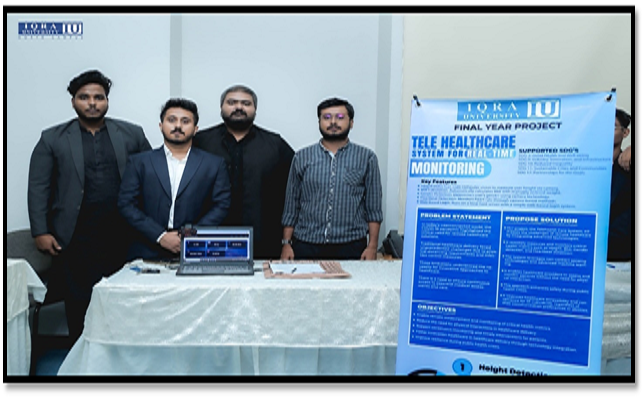
Tele Healthcare System for Real-Time Monitoring
Supervisor: Engr. Azfar Ghani
Description:
The “Tele Healthcare System for Real Time Monitoring” project aims to develop a new approach for remote patient health monitoring. Utilizing computer vision techniques, our method involves using the color magnification algorithm to detect a patient’s pulse in real-time through live video streams. By analyzing changes in color intensity, the algorithm accurately calculates the patient’s beats per minute (BPM). Additionally, the system incorporates a height measurement algorithm to measure the patient’s height and prompts patients for their body weight to estimate their Body Mass Index (BMI). This innovative system provides an efficient means of monitoring vital signs remotely, facilitating improved healthcare management for individuals in every situation.
By utilizing these functionalities, the system offers a comprehensive remote health monitoring solution, enabling efficient healthcare management for individuals. The implementation of such a system holds immense promise in various healthcare scenarios. For instance, it enables continuous monitoring of patients with chronic conditions from the comfort of their homes, reducing the need for frequent hospital visits. Additionally, in remote or underserved areas where access to medical facilities is limited, this technology bridges the gap by offering remote healthcare services.
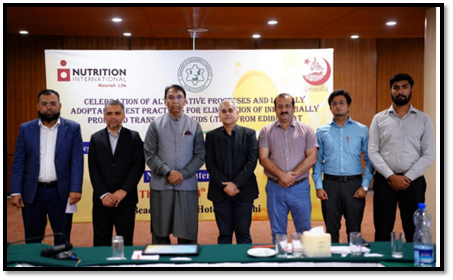
To Support the Edible Oil Producers in the Reduction of Industrially Produced Trans Fatty Acids from Edible Oil in Pakistan.
Faculty Member Involved: Dr. Syed Arsalan Ali
Description:
Industrially produced trans fatty acids (iTFAs) in edible oils are a major public health concern worldwide, contributing significantly to cardiovascular diseases, obesity, diabetes, and other non-communicable diseases (NCDs). In Pakistan, where edible oils constitute a primary component of the diet, the consumption of iTFAs remains alarmingly high due to widespread use of partially hydrogenated oils in cooking and food production. This project aims to support edible oil producers in reducing iTFA levels in their products, aligning with global best practices and national health priorities.
Through technical assistance, capacity building, and knowledge transfer, this project will equip oil producers with modern technologies and methods for iTFA reduction, including reformulation of oil blends, adoption of enzymatic or interesterification techniques, and improved quality control measures. Pilot demonstrations and training programs will ensure that these interventions are practical, scalable, and sustainable across the industry.
The expected outcomes include a measurable reduction in iTFA content in commonly consumed edible oils, increased awareness among producers and consumers about the health risks of trans fats, and enhanced compliance with national and international food safety standards. The project will also generate data and evidence to inform policy advocacy and support regulatory frameworks aimed at iTFA elimination.

Ready to Join IU?
Take the first step towards an exceptional education that will transform your career and shape your future. Join thousands of successful graduates who started their journey right here.
Don’t just dream about your future — build it with us. Our admissions team is ready to guide you through every step of your journey.